
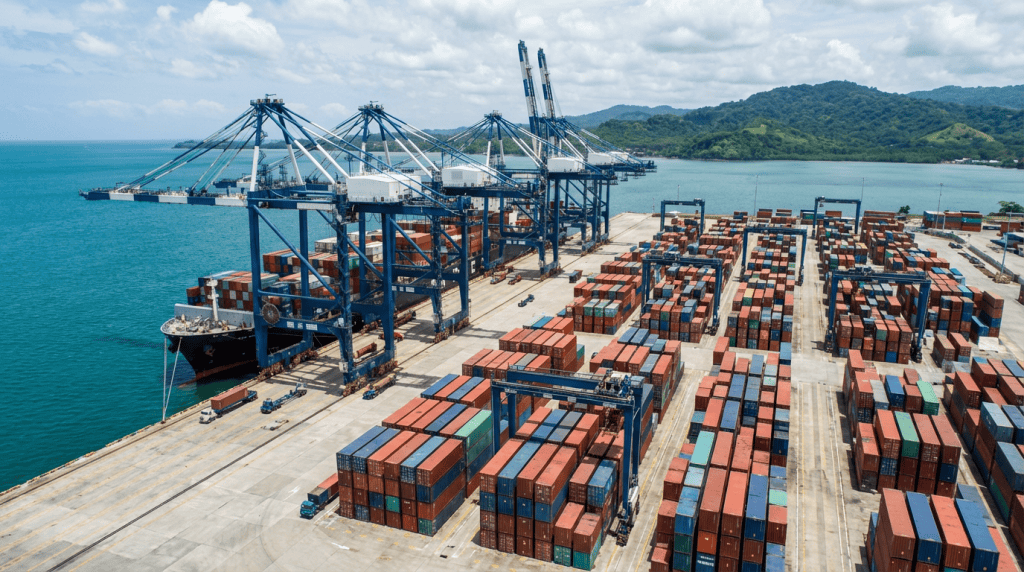
Panama’s Supreme Court has annulled port concession contracts held by Panama Ports Company, a CK Hutchison subsidiary, throwing into question the future of the Balboa and Cristobal container terminals flanking the Panama Canal — and potentially derailing the proposed US$22.8bn sale of CK Hutchison’s global port portfolio to a BlackRock-led consortium. The ruling found the laws and acts underpinning the concession unconstitutional following an audit by Comptroller Anel Flores, which alleged unpaid amounts, accounting errors and the existence of a “ghost” concession operating within the ports since 2015. The comptroller’s audit claimed irregularities cost Panama approximately US$300m since the concession was extended in 2021, with estimated losses of US$1.2bn over the original 25-year contract period. Panama Ports Company denied the allegations, stating it has invested US$1.8bn in infrastructure and technology since 1997 and paid the government US$668m — more than any other port operator in the country. The two terminals handled an estimated 3.8m teu in 2024, representing nearly 40% of total throughput across Panama’s five container ports, according to data compiled from the Maritime Authority of Panama. Balboa, the larger of the two, is Latin America’s leading transshipment hub with annual capacity of 5m teu. CK Hutchison’s Hong Kong-listed shares fell 4.6% following the ruling. The company said the decision was inconsistent with Panamanian law and reserved all rights to pursue national and international legal proceedings. The conglomerate cannot appeal the Supreme Court’s constitutional ruling directly but may seek clarification from the court. The broader portfolio sale announced in March 2025 would see MSC’s Terminal Investment Limited and BlackRock acquire 43 ports across 23 countries, potentially catapulting TiL to become the world’s largest terminal operator. The 145-day exclusivity period for negotiations expired in July without completion, with CK Hutchison subsequently seeking to bring a major Chinese investor — widely reported to be Cosco Shipping — into the consortium. Beijing had threatened to block the original deal, and China’s foreign ministry responded to the ruling by pledging to take “all necessary measures” to protect Chinese enterprises’ legitimate interests. The ruling advances Washington’s stated aim of curbing Chinese influence over the Canal, which handles approximately 5% of global maritime trade and 40% of US container traffic. Secretary of State Marco Rubio visited Panama as his first overseas stop and described the port operations as a US national security issue. Political analyst Edwin Cabrera told the Associated Press that port operations are expected to continue while the matter moves to Panama’s executive branch, specifically the Panama Maritime Authority. President José Raúl Mulino has suggested a new public-private partnership arrangement may emerge to operate the terminals.
Sources: Reuters, Associated Press, CNBC, Container News, Georgia Tech Panama Logistics, US House Homeland Security Committee, Marine Insight
You need a free subscription to read the entire article.
Subscribe
Subscribe for FREE and gain access to all our content.
More than 5000+ articles.